
What is Card Tokenization? How Does Network Tokenization Work?
Card tokenization — the technology powering Apple Pay and Google Pay — is fundamentally transforming payment security by replacing real card numbers w...
Read More →Payment system integrations are unexpectedly complex for most engineering teams. Different bank protocols, PCI DSS requirements, and timeout management — we cover the common challenges and how to overcome them.

Payment system integrations are an area most engineering teams find unexpectedly complex. Different protocols between banks, security requirements, certification processes, and the risks of going live can turn these integrations into months-long projects.
Most of these challenges disappear when using a payment orchestration platform. The platform normalizes bank-specific differences, takes over timeout and retry management, and handles PCI DSS compliance in-house. The business focuses on building its product rather than navigating bank API complexity.
For virtual POS, payment orchestration and integration needs, let our expert team guide you to the best solution.
Card tokenization — the technology powering Apple Pay and Google Pay — is fundamentally transforming payment security by replacing real card numbers w...
Read More →
Each bank integration comes with its own API documentation, test environment, and maintenance overhead. A payment orchestration platform consolidates ...
Read More →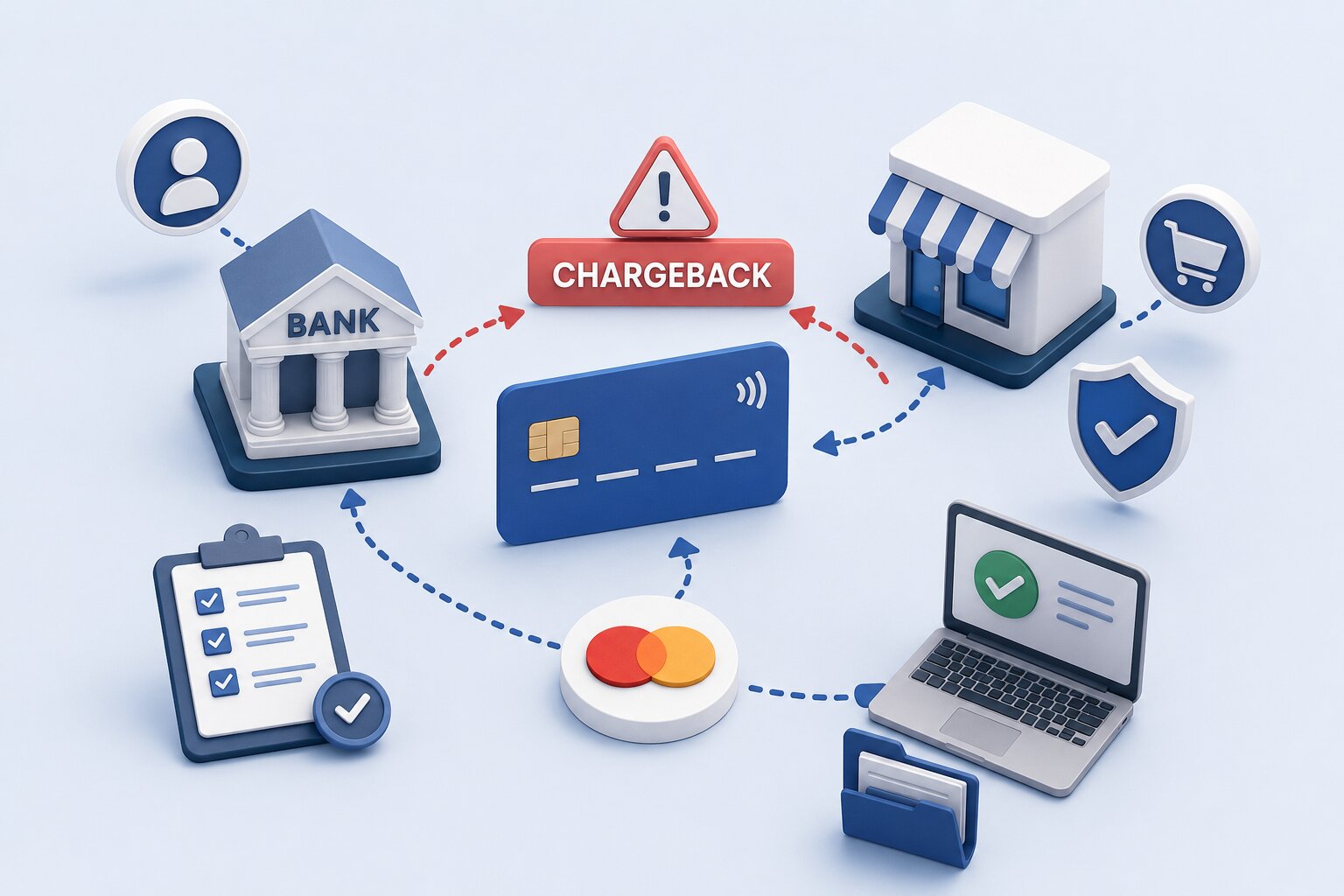
When a cardholder disputes a transaction with their bank, merchants face both financial and operational risk. We break down how the chargeback process...
Read More →