


Payment API Integration: Challenges and Best Practices
Payment system integrations are unexpectedly complex for most engineering teams. Different bank protocols, PCI DSS requirements, and timeout managemen...
Read More →Card tokenization — the technology powering Apple Pay and Google Pay — is fundamentally transforming payment security by replacing real card numbers with disposable digital tokens. But how exactly does this technology work?
In the world of digital payments, security has always been the top priority. When you tap your phone to pay for a coffee with Apple Pay or complete an online purchase with Google Pay, a technology working behind the scenes is protecting your real card number: Card Tokenization.
Tokenization is the process of replacing sensitive data — such as a card number — with a meaningless, randomly generated string of characters called a token. This token has no mathematical relationship to the original card number; the real data can only be accessed through a mapping table stored in a secure vault (token vault).
In the payments world, there are two primary types of tokenization:
Network tokenization is built on two key concepts: the Token and the DPAN (Device Primary Account Number).
The process works as follows:
What makes network tokens powerful are the built-in restriction layers:
One of the biggest costs in payment systems is PCI DSS compliance. Since merchants should not store raw card data, tokenization significantly reduces this burden. A merchant using network tokens never sees the real PAN, which narrows the PCI DSS scope — reducing audit costs and security risk alike.
The two major card brands offer their network tokenization infrastructure under different names:
Both services operate in compliance with EMVCo standards and can coexist at a global scale.
This technology doesn't just improve security — it also creates commercial value:
Card tokenization represents one of the most fundamental paradigm shifts in payment security. By removing the real card number from the payment flow, it protects both the end user and the merchant. Businesses that adopt network token infrastructure gain tangible benefits: higher authorization rates, lower fraud risk, and a simplified PCI compliance scope. The evolution of digital payments in this direction is no longer a prediction — it is a reality already unfolding.
For virtual POS, payment orchestration and integration needs, let our expert team guide you to the best solution.
Payment system integrations are unexpectedly complex for most engineering teams. Different bank protocols, PCI DSS requirements, and timeout managemen...
Read More →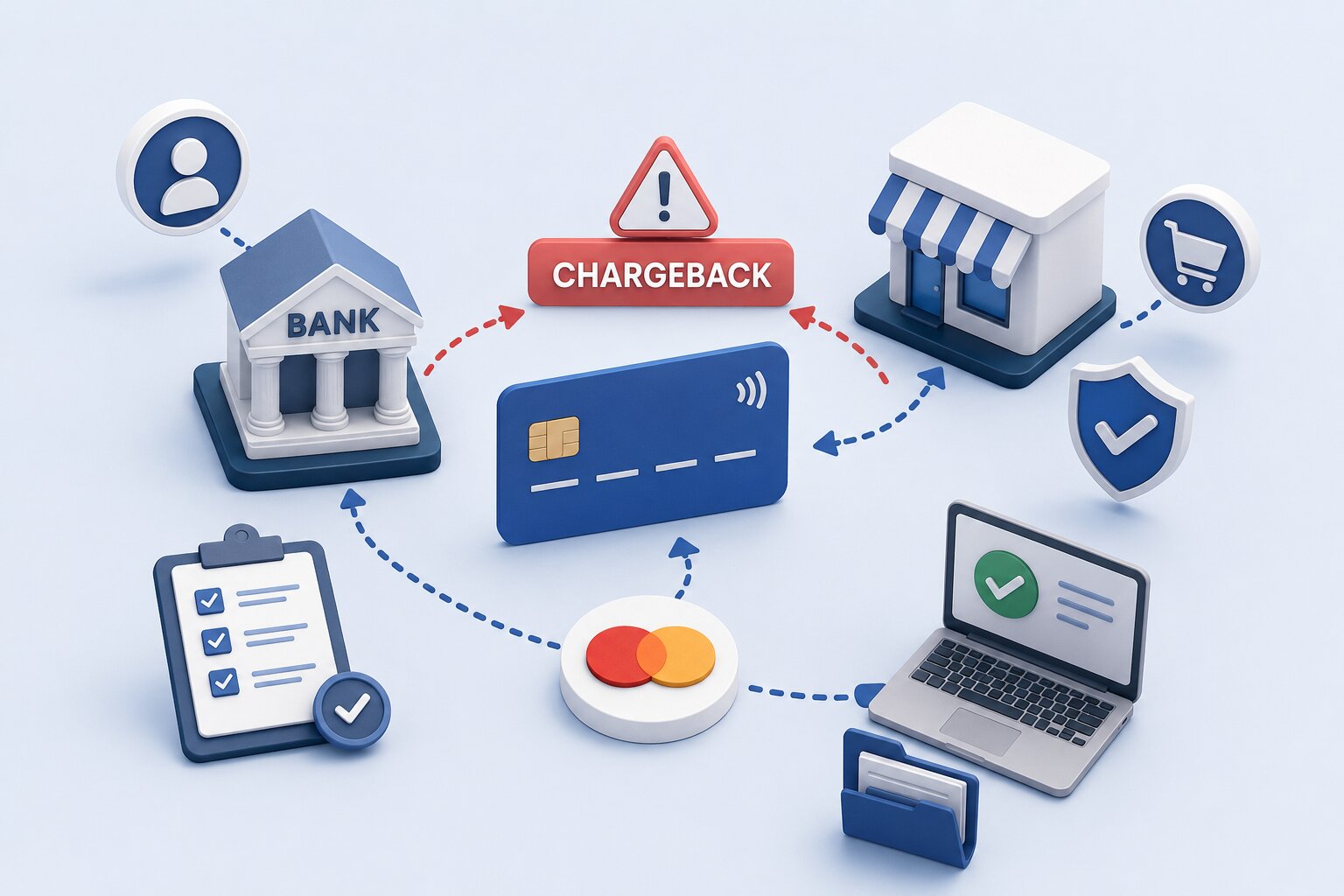
When a cardholder disputes a transaction with their bank, merchants face both financial and operational risk. We break down how the chargeback process...
Read More →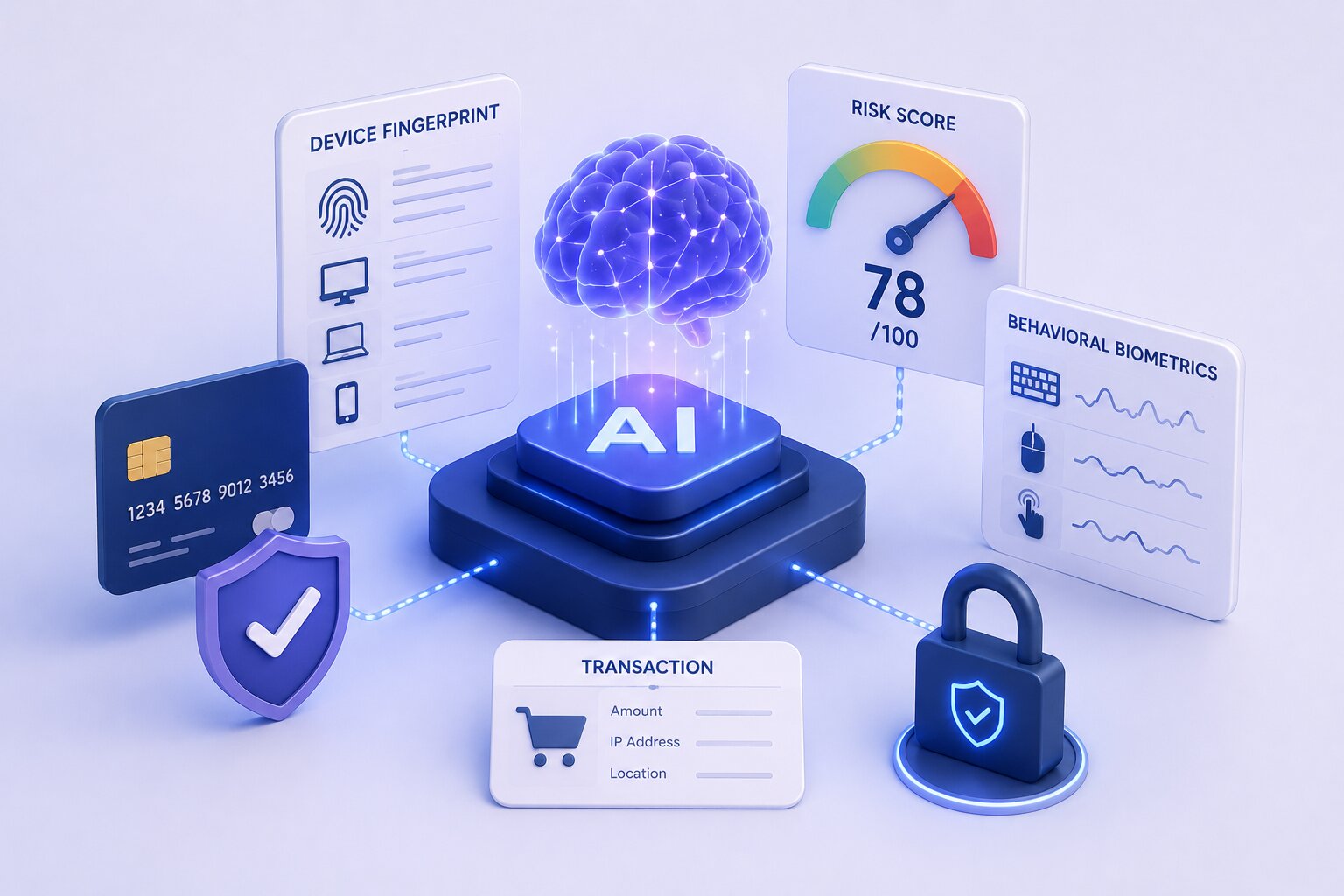
Rule-based fraud systems are no longer enough. We explain how machine learning models use device fingerprinting, behavioural biometrics, and real-time...
Read More →