

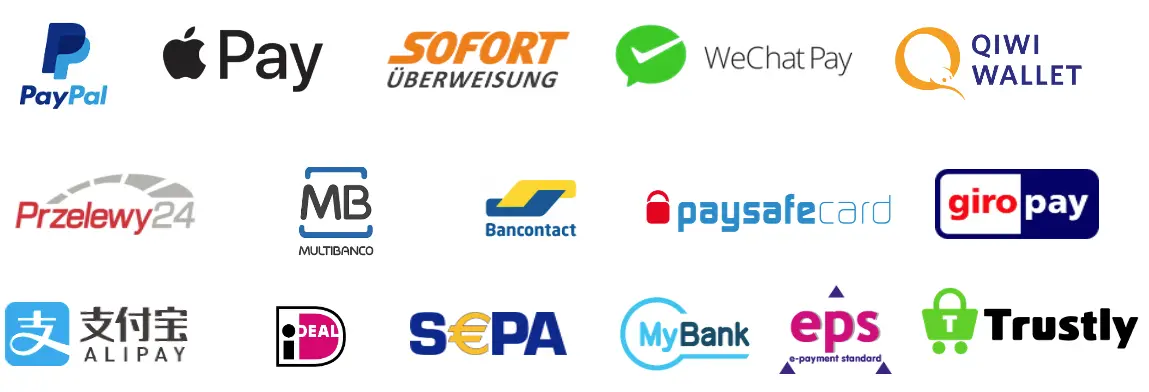
What is the Concept of Alternative Payment Method (APM)?
As online shopping rapidly gains significant volume in our daily lives, traditional payment methods are evolving alongside the digital world. In this ...
Read More →QR codes appear in many areas of our daily lives. But how exactly are they used for payments? In this article, we explore what QR Code Payment is, how it works, and the different methods through which QR payments can be made.
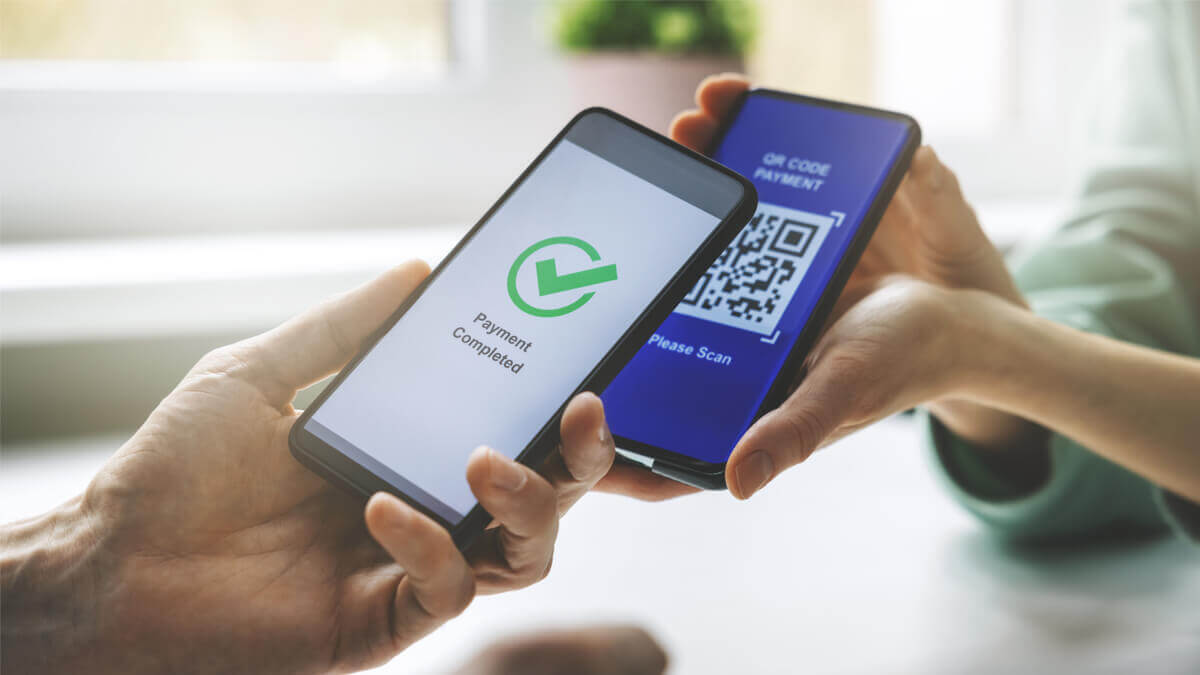
As is widely known, QR codes have many use cases. At their most basic, you can even turn a website address into a QR code and access the relevant site simply by scanning it.
But have you ever wondered how these codes are used for payments?
To briefly cover the origins of QR (Quick Response) codes: the name comes from the trademark of a type of matrix barcode created for the Japanese automotive industry in 1994. Since then, QR codes have been used in many contexts such as marketing and information sharing, and more recently — especially since the outbreak of Covid-19 — they have become a popular way for people to make mobile payments.
Although similar to the linear (one-dimensional) barcodes we see on products in every store, QR codes offer four important advantages:
When a QR code is scanned, the horizontal and vertical patterns of the matrix are decoded by the software on your smartphone and converted into a string of characters. Depending on the command within those characters, your phone can open a browser link, confirm payment details, verify a geographic location, and more.
A QR code has a square shape consisting of a matrix, most notably with three small squares placed in the bottom-left, top-left and top-right corners. The less complex the pattern on a QR code, the less information it contains; conversely, the more complex the pattern, the more data it holds. Because the information is stored in two dimensions, a QR code can hold far more data than a one-dimensional barcode. A QR code made up of 177 × 177 squares can contain, for example, 4,296 characters or 23,648 bits of data.
Because QR codes contain more data, they allow for encryption, which is particularly useful for payment transactions.
Unlike linear barcodes — which can only be read from paper using a laser barcode scanner — QR codes can be scanned from both paper and screens. This is why we frequently encounter QR codes in certain online stores and applications.
Both iPhones and Android smartphones can scan QR codes directly from the main camera application, provided they are running the latest iOS or Android software. The moment you point your smartphone camera at the relevant QR code, you receive a push notification that instantly recognises the code and prompts you to tap in order to complete or be redirected to the relevant action.
With digital wallets rapidly entering our lives, almost all Digital Wallet applications now include not only NFC payments but also icons that allow you to open the phone camera within the wallet app to scan and pay via QR code.
To explain the process step by step:
The merchant generates a QR code in their payment application — whether on their website, POS device, kiosk or elsewhere — and the buyer or cardholder scans it using the digital wallet application on their smartphone.
This method works in almost the opposite direction of Method 1. The cardholder, having confirmed the amount to be paid on the POS device, converts one of their cards in the digital wallet application into a unique QR code. The merchant then uses the QR code reader on the POS device to scan it and process the payment using the cardholder's card details.
Both you and the recipient open their respective applications. You then scan the unique QR code displayed on the recipient's application using your own app, confirm the amount to be paid, and proceed with payment using the card details stored in your application.
Until fairly recently, QR code payments were not particularly fast due to slow internet speeds. However, network connections have become so fast that payments are now processed instantly. That said, many smartphone users may still abandon QR payments due to the need to open an application, correctly align the camera within the designated frame, and the reading difficulties that can sometimes arise from the device itself.
For virtual POS, payment orchestration and integration needs, let our expert team guide you to the best solution.
As online shopping rapidly gains significant volume in our daily lives, traditional payment methods are evolving alongside the digital world. In this ...
Read More →
When a cardholder disputes a transaction with their bank, merchants face both financial and operational risk. We break down how the chargeback process...
Read More →
Rule-based fraud systems are no longer enough. We explain how machine learning models use device fingerprinting, behavioural biometrics, and real-time...
Read More →