

What is a Card Brand? Visa, Mastercard, American Express and UnionPay
In today's digital economy, most of our shopping is conducted via credit and debit cards. What do the logos like Visa, Mastercard and American Express...
Read More →As financial solutions diversify in the digitalising world, prepaid debit cards offer a safe and practical alternative to cash. Working similarly to a gift card, these cards allow you to spend up to the amount you load onto them.
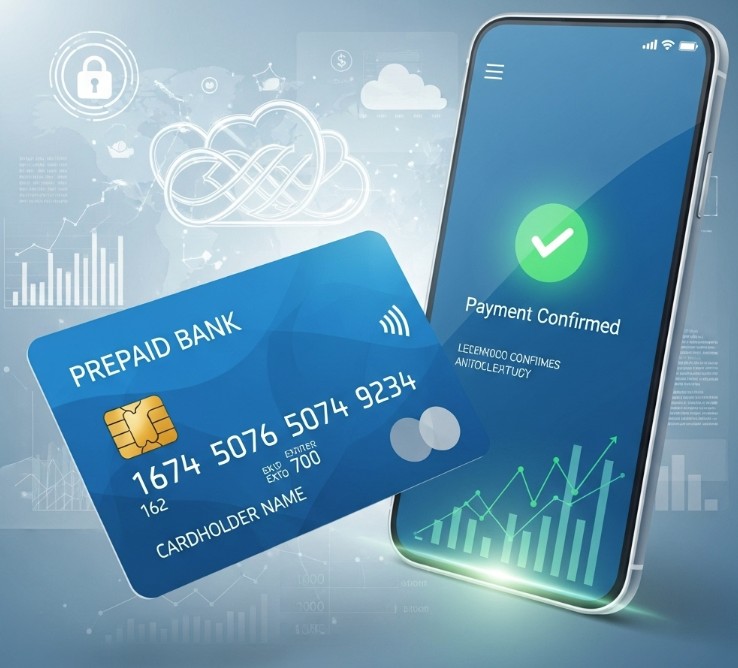
As financial solutions diversify in an increasingly digitalised world, prepaid debit cards offer a safe and practical alternative to cash. Working similarly to a gift card, these cards allow you to spend up to the amount you load onto them. When your balance runs out, you can easily top it up via the card-issuing bank's mobile application, at ATMs or at authorised points. Prepaid debit cards are branded by major card networks such as Visa, MasterCard, Discover and American Express, and are issued by banks.
Prepaid debit cards eliminate the risks of carrying cash and provide a secure spending tool. They are an ideal solution especially for those who do not have a bank account or who do not wish to use a credit card. They can be used comfortably for online shopping, bill payments or everyday expenses. They are also a practical option for parents who want to monitor their children's spending. Prepaid cards generally support all the transactions you can carry out with a credit card or a regular debit card; in most cases, merchants do not even realise the card is prepaid.
Regular debit cards are directly linked to a bank account, and the amount you can spend is limited to the current balance in that account. Therefore, you need to have a bank account to use a regular debit card. Your spending limit changes as your account balance changes.
The situation is different with prepaid debit cards. The amount you can spend is limited to the money you have loaded onto the card in advance. Your spending reduces your balance, and your spending limit only increases when you reload the card. This feature offers a significant advantage for those who wish to maintain budget control or spend within a defined limit.
Although prepaid cards offer many advantages, they may also have some disadvantages. For example, some cards may involve additional costs such as monthly fees, loading fees or transaction fees. Furthermore, they do not contribute to building a credit history. For this reason, it is important to carefully review the terms and conditions before selecting a prepaid card.
Prepaid debit cards stand out in the modern financial world as a flexible and secure payment tool. They are an excellent option for those who want to reduce cash usage, keep their budget under control or enhance security in online shopping. By choosing the card that best suits your financial needs, you can manage your digital spending more consciously.
For virtual POS, payment orchestration and integration needs, let our expert team guide you to the best solution.
In today's digital economy, most of our shopping is conducted via credit and debit cards. What do the logos like Visa, Mastercard and American Express...
Read More →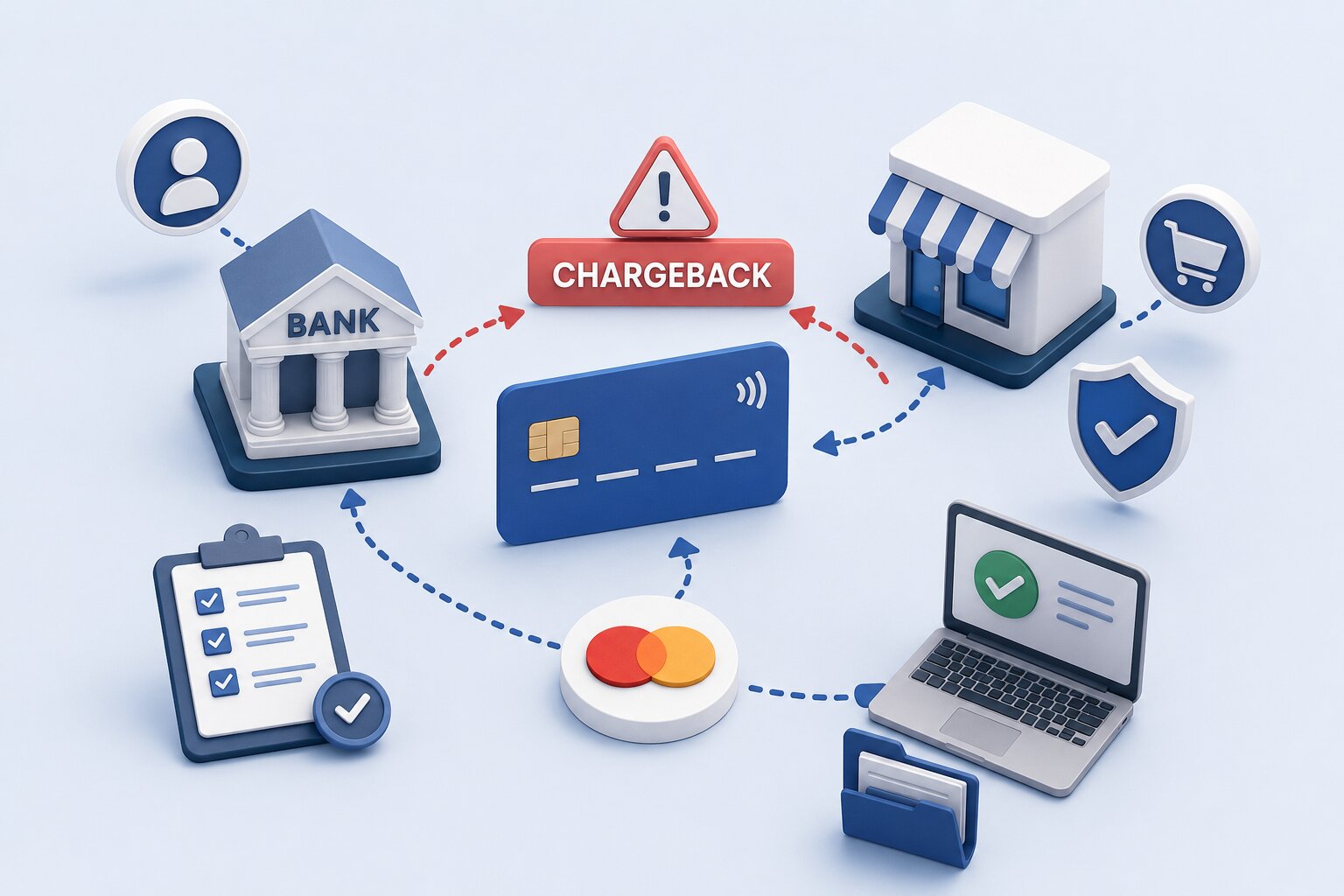
When a cardholder disputes a transaction with their bank, merchants face both financial and operational risk. We break down how the chargeback process...
Read More →
Rule-based fraud systems are no longer enough. We explain how machine learning models use device fingerprinting, behavioural biometrics, and real-time...
Read More →