


The Need for 8-Digit BINs and the Migration Process in the Virtual POS World
As the payment system ecosystem grows and interest in card-based systems accelerates, 6-digit BINs are approaching exhaustion. The International Organ...
Read More →In today's digital economy, most of our shopping is conducted via credit and debit cards. What do the logos like Visa, Mastercard and American Express on these cards mean? These logos are the card brands that form the backbone of payment systems.
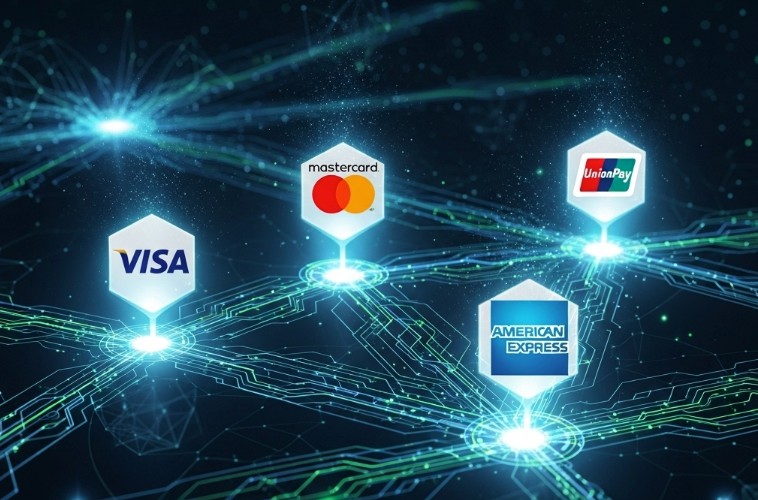
In today's digital economy, most of our shopping is conducted via credit and debit cards. But what do the logos such as Visa, Mastercard and American Express that you see on these cards actually mean? These logos are the card brands that form the backbone of payment systems.
A card brand is a central network that governs payment transactions. Its primary role is to process transactions and settlements within a set of rules, regulations and procedures that enable cardholders to use their cards with third parties such as retailers and service providers. With trillions of dollars in transaction volume worldwide, brands such as Visa, Mastercard, American Express and UnionPay are the largest players in the global payment ecosystem. For example, in 2018, consumers around the world spent approximately USD 369 billion using the cards of these four brands.
Despite the fact that these brands are actively used by hundreds of millions of users every day, there is no direct relationship between a card brand and consumers. This is because more than one party is involved in any credit card transaction. It is important to know that the brand you see on your card binds the bank that issued the card, not you directly. Banks use the powerful infrastructure provided by these brands to run their credit card operations. In particular, because Visa and Mastercard have agreements with almost all physical and Virtual POS systems worldwide, they ensure your card can be used seamlessly.
In fact, these companies and structures are payment system brands that facilitate cash flow, rather than being direct credit card brands.
A card brand collaborates with four core parties to ensure a transaction is completed smoothly. This open-loop system allows banks to join a global network without having to manage all operations on their own. These four parties are:
These four players come together under the umbrella of a card brand such as Visa or Mastercard. This ensures seamless communication between cards and POS devices belonging to different banks. The card brand manages this complex network to guarantee that payments are completed safely and swiftly.
Card brands are the invisible heroes of the modern economy. By enabling billions of transactions every day, they keep the wheels of global commerce turning smoothly. Next time you use your card, remember just how much technology and collaboration lies behind that small logo.
For virtual POS, payment orchestration and integration needs, let our expert team guide you to the best solution.
As the payment system ecosystem grows and interest in card-based systems accelerates, 6-digit BINs are approaching exhaustion. The International Organ...
Read More →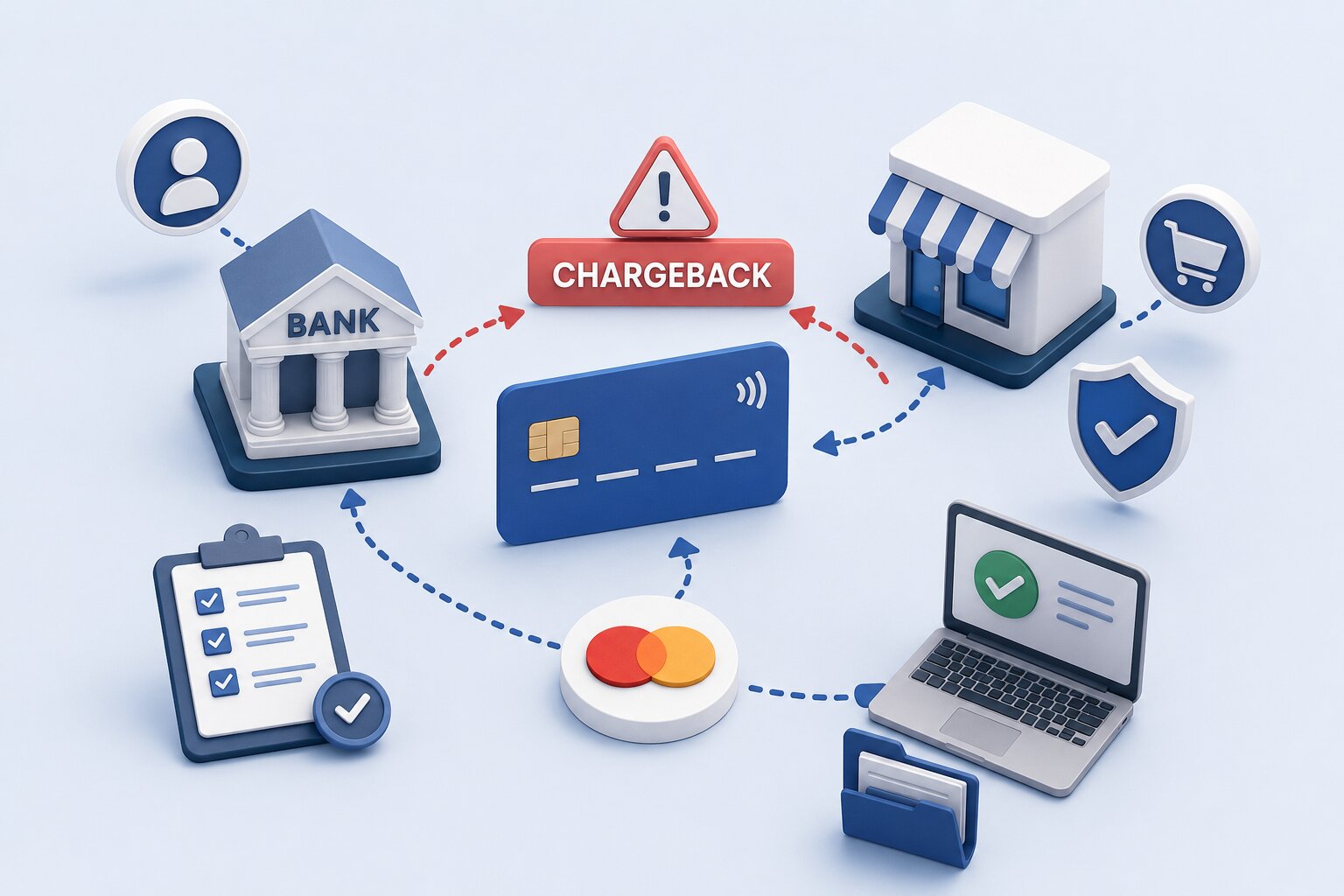
When a cardholder disputes a transaction with their bank, merchants face both financial and operational risk. We break down how the chargeback process...
Read More →
Rule-based fraud systems are no longer enough. We explain how machine learning models use device fingerprinting, behavioural biometrics, and real-time...
Read More →