
What Are Payment Systems? PSP, Payment Gateway and Orchestration Explained
Payment gateway, PSP or payment orchestration — what does your business actually need? A complete guide to payment infrastructure concepts and Turkey'...
Read More →As online shopping rapidly gains significant volume in our daily lives, traditional payment methods are evolving alongside the digital world. In this article, we explore what Alternative Payment Methods (APMs) are, why they matter, and which APMs are used in which countries.
As online shopping rapidly gains significant volume in our daily lives, the focus that was once reserved for the breadth of product catalogues is now being directed toward variety and alternatives at the payment step as well. It should come as no great surprise that the traditional payment methods we have long known are changing — and will continue to change — in step with the digital world.
Within the ecosystem where digital transformation continues to make shopping easier and access to services more seamless, traditional payment methods are being replaced by alternatives such as online or mobile payments. People no longer want to carry cash or cards in their wallets. When we consider how much has changed in our lives since the beginning of the digital age, it is clear that we are in an era where our payment habits are also rapidly evolving. These developments are advancing so quickly that, although credit card transactions have been known as an "alternative payment" method, they are now increasingly described as "traditional" — particularly for online payments — by many individuals and institutions. The option to "pay by credit card," once added alongside the familiar "pay at the door" and "pay by bank transfer" options on online shopping sites, has now itself become one of the classics. In other words, paying by credit card is no longer an alternative — it has become the expected default.
In this article, I will focus on truly Alternative Payment Methods (account-based). Specifically, other ways to pay for goods or services outside of general credit card schemes such as Visa, MasterCard or American Express. This is because a broadly defined Alternative Payment Method — such as payments made via digital wallets or charged to a credit card through a bank's mobile application — ultimately still falls within a method tied to Visa, Mastercard or another card brand.
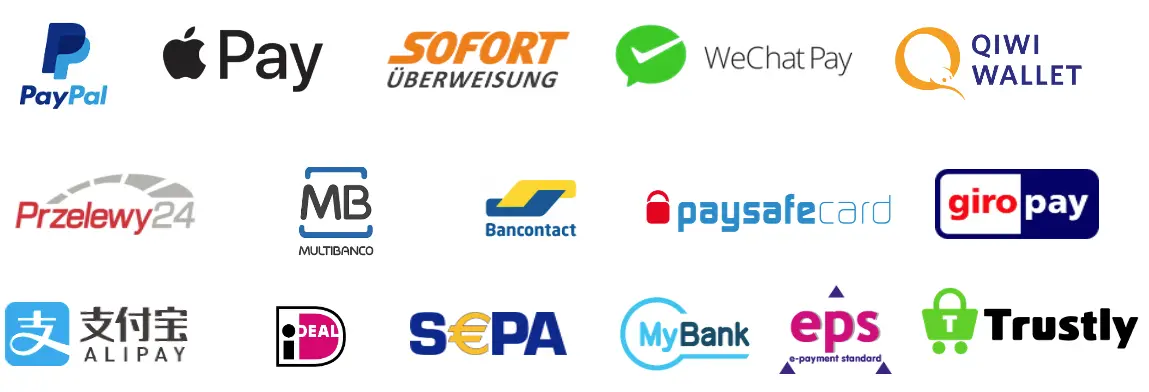
If you have an e-commerce site and want to sell to international users in particular, you need to enrich your payment infrastructure and offer additional methods alongside credit card payments. You must understand your customers' expectations and preferences regarding payment methods, and make your target audience feel why they should choose you. If you operate in the tourism sector and most of your customers are from countries such as Germany, Russia or the Netherlands, you should integrate methods like PayPal, Qiwi, Sofort, Giropay and iDEAL — methods that citizens of those countries can use comfortably — into your website and payment options.
In e-commerce, an alternative payment method refers to any form of payment other than a credit card. They are called alternative methods because, on a global scale, they are not as popular or widespread as credit cards, which have long been the default method in many countries. Today, however, these methods are preferred by many users who are concerned about credit card security, who do not wish to carry a card, who do not want to pay card fees, or who are unable to obtain a card.
For the bank transfer and account deduction segment of APM payment methods, we can also describe the process by which end users access their own bank account and make payments through it as cross-border or global payments. We can say that the concepts of accessibility and convenience lie behind the growth of bank transfers as a popular APM.
In Western Europe, consumers do not value the need to remember anything beyond their online banking details. In countries like Germany, where consumers are reluctant to use credit cards and wary of accumulating debt, bank transfers mean an immediate, upfront payment with no bill arriving at the end of the month.
If you are planning to do business abroad — or are already doing so — studying the market and local purchasing preferences will benefit you. For example, allowing instalment payments in Argentina will significantly increase your chances of making a sale. In China, you need to get familiar with Alipay and WeChat Pay, while in Denmark, local alternatives like MobilePay and Klarna are preferred.
Providing customers with suitable payment methods and making the payment experience seamless is extremely important. The growth in global e-commerce is largely driven by cross-border trade. With consumers now able to spend outside their domestic markets and purchase products and services unavailable at home, e-commerce is gaining an even greater boost. Developments in logistics, the role of marketplace platforms like eBay and Amazon in making overseas shopping easier, and Alipay's ability to not only handle payments but also guarantee delivery of goods from China have all become significant factors.
When it comes to doing business abroad, having Alternative Payment Methods is essential. You may have exactly the right product or service for your target market, but if you do not offer the payment method preferred by the consumer, you will not achieve the sales volume you are aiming for.
Some of the most common APMs are as follows:
Finally, to add the most suitable Alternative Payment Method for your target market and customer portfolio to your website, application or payment solutions, you will need to carry out integrations similar to the Virtual POS integrations you already have for credit card payments. You can access these integrations through intermediary service providers or banks that offer the relevant infrastructure in the target country or your own country.
For virtual POS, payment orchestration and integration needs, let our expert team guide you to the best solution.
Payment gateway, PSP or payment orchestration — what does your business actually need? A complete guide to payment infrastructure concepts and Turkey'...
Read More →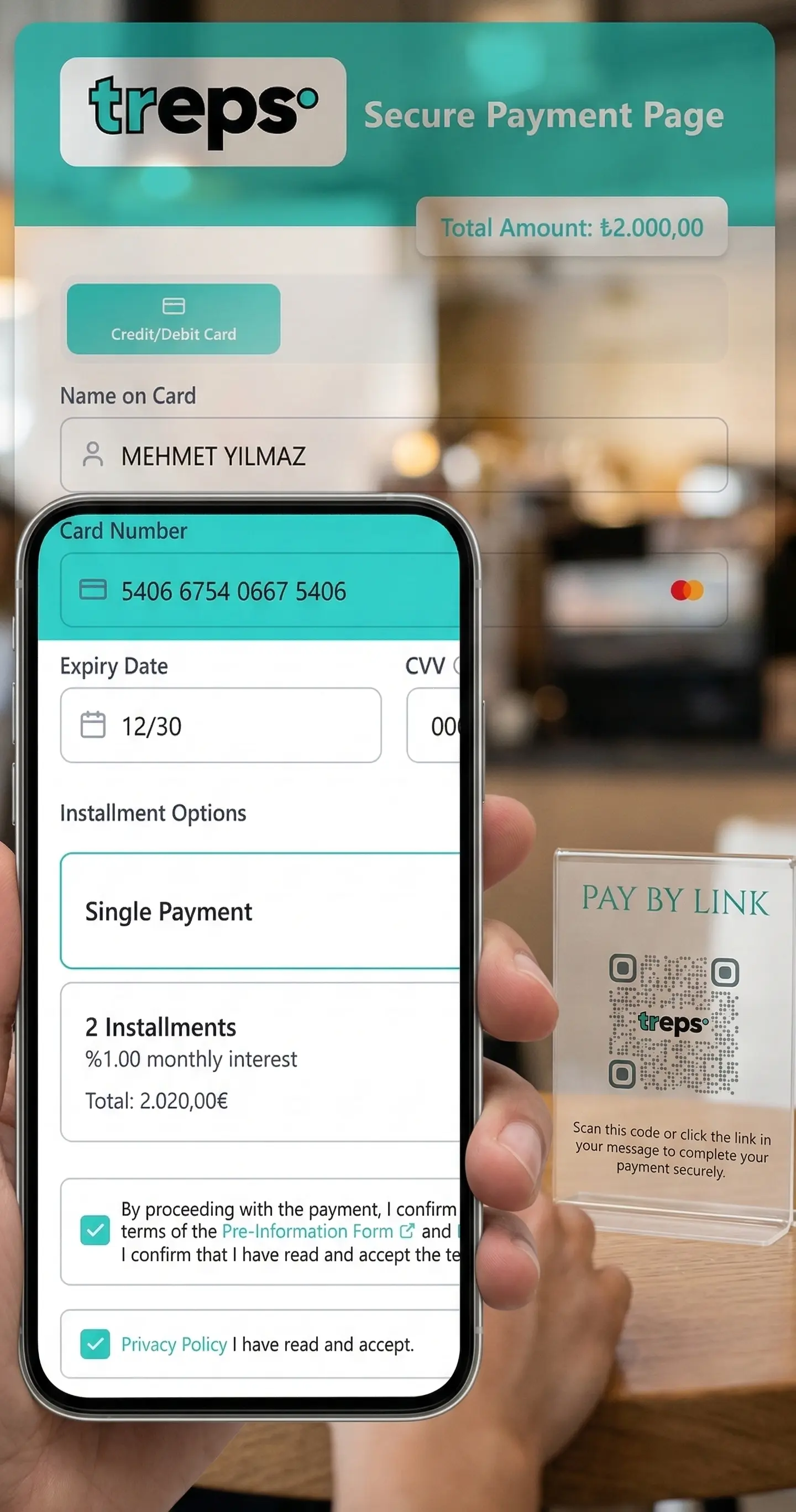
With the advancement of technology, the way we pay for goods and services has changed significantly. Pay by Link Payment allows customers to make paym...
Read More →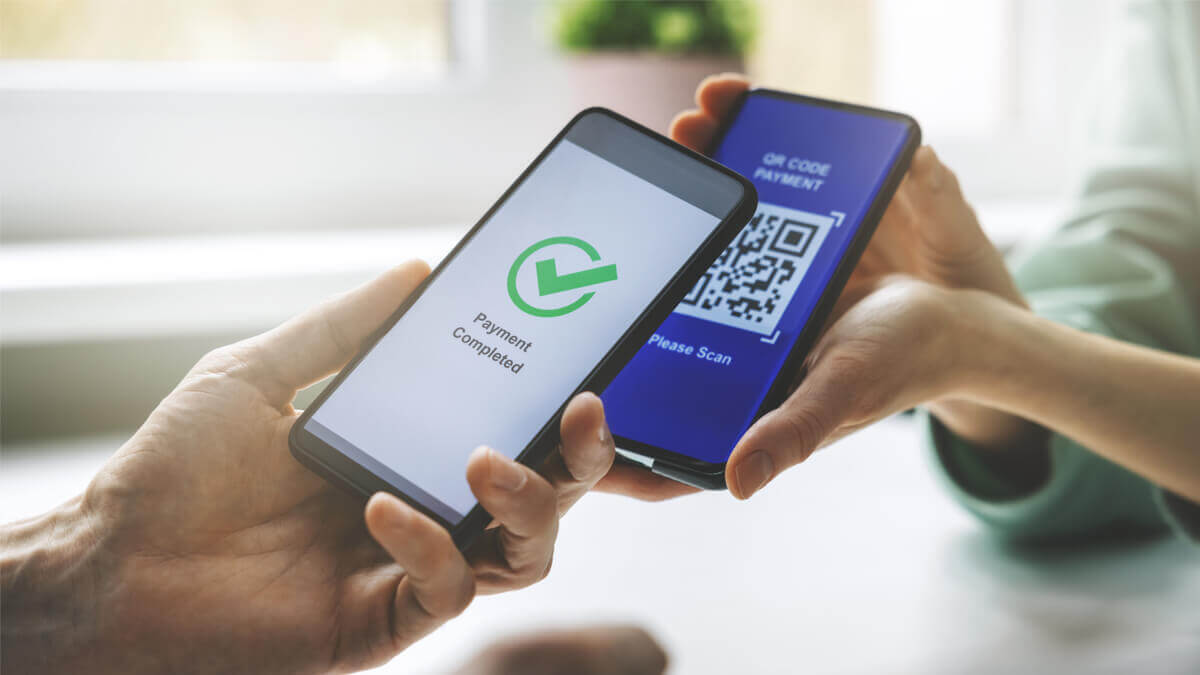
QR codes appear in many areas of our daily lives. But how exactly are they used for payments? In this article, we explore what QR Code Payment is, how...
Read More →